





Neither engineered hardwood nor solid hardwood is the better flooring, full stop. The honest answer to the engineered hardwood vs. hardwood question depends on where the floor goes, what sits underneath it, and how far your home's humidity swings between a Chicago January and a Chicago August. Both materials are made from real wood. The difference is in how that wood is built into a plank, and that difference decides how each one holds up in your specific house.
If you're weighing engineered vs. solid hardwood for a bungalow with its original subfloor still in place, the math looks different than it does for a concrete-slab condo downtown or a finished basement in the suburbs.
Hardwood vs. Engineered Hardwood: What's Actually Different
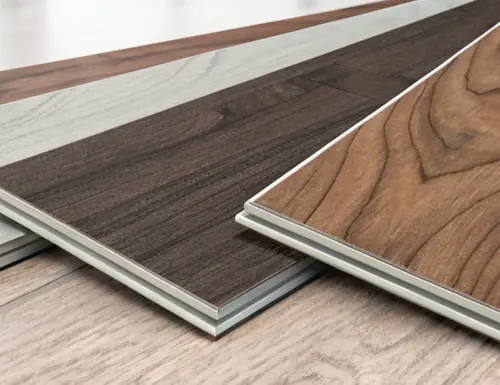
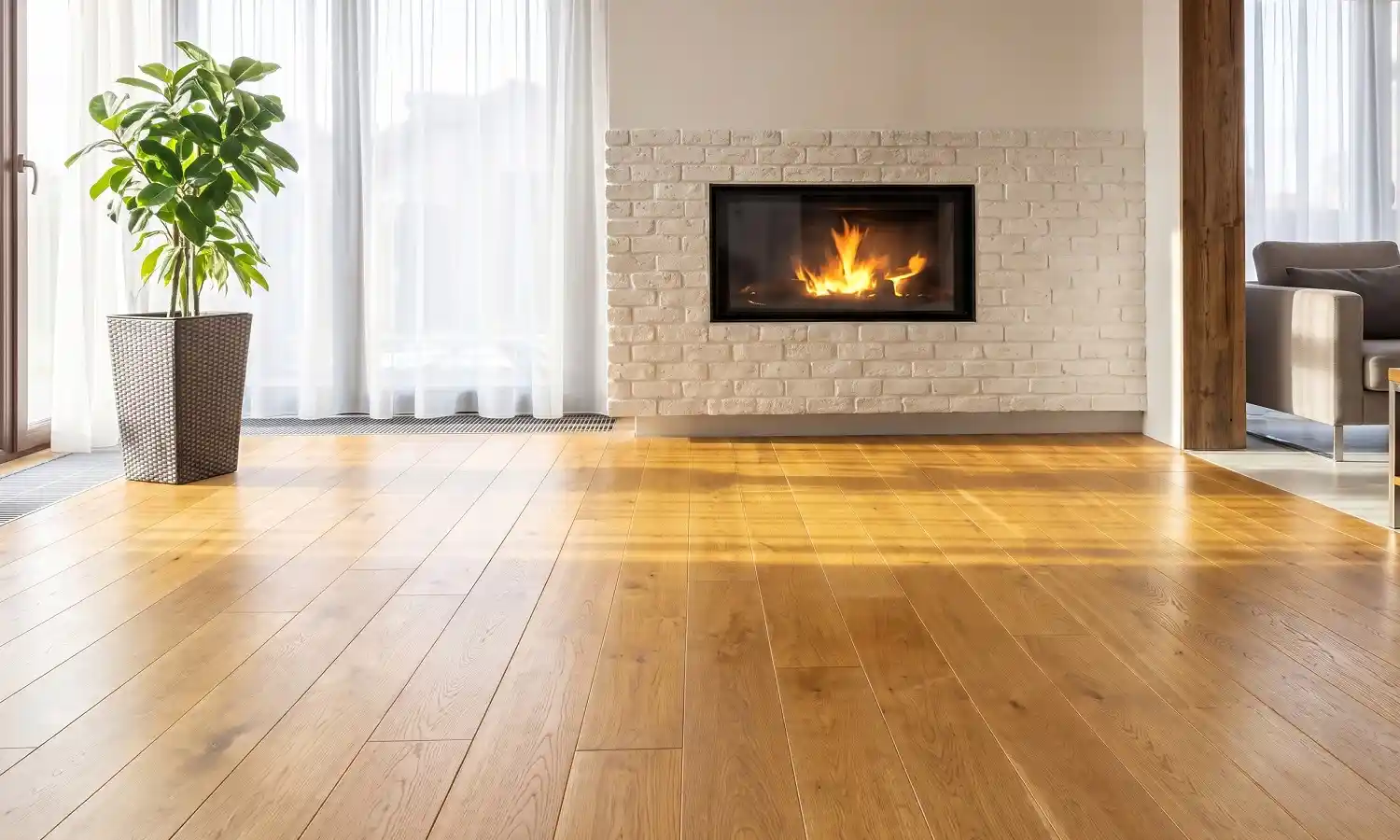
Solid hardwood is milled from a single piece of wood, usually about three-quarters of an inch thick, with nothing underneath but solid timber from top to bottom. Engineered hardwood starts with a layer of real hardwood on top, the same species you'd get with a solid plank, bonded to a core of cross-layered plywood underneath. That core is the reason engineered floors handle Chicago's temperature and humidity swings differently than solid wood does, which the next section covers in more detail.
For now, the point worth holding onto is that both are genuine wood floors. The overview of what solid hardwood is made from walks through the milling process at a glance. For a closer look at how manufacturers build and grade the layers in a modern plank, see our engineered hardwood guide.
Why Chicago's Climate Changes the Calculation
Chicago puts both materials through a wider humidity swing than most of the country sees in a single year. Summers push outdoor humidity well into the 70s and 80s, and that moisture works its way into a home's air and subfloor. Winters do the opposite: furnaces and radiators run for months at a stretch, and indoor air can dry out hard enough to pull moisture straight out of a wood plank. Solid hardwood feels both ends of that swing because it's one continuous piece of timber. It swells in summer and contracts in winter, and that movement is where seasonal gaps, and in bad cases cupping, come from.
Engineered hardwood's cross-layered core is built specifically to resist that kind of movement. Because each layer runs in a different grain direction, the construction holds its shape through seasonal swings better than solid wood, even though the top layer is the same real hardwood you'd find on a solid plank. That stability is also why engineered floors are the preferred real-wood option over radiant heat systems and below grade, something our radiant floor heating and flooring guide covers in more depth.
Either material still needs to acclimate to your home before installation. In Chicago winters, that can mean several days to two weeks with the heat and humidity running the way they will once you're living there, not stacked in a cold garage. If you can time the project for late spring or early fall, when indoor relative humidity sits closer to the 30 to 50 percent range wood floors are built for, acclimation goes faster and the finished floor settles in with fewer surprises.
Which One Fits Your Home? A Decision Guide.
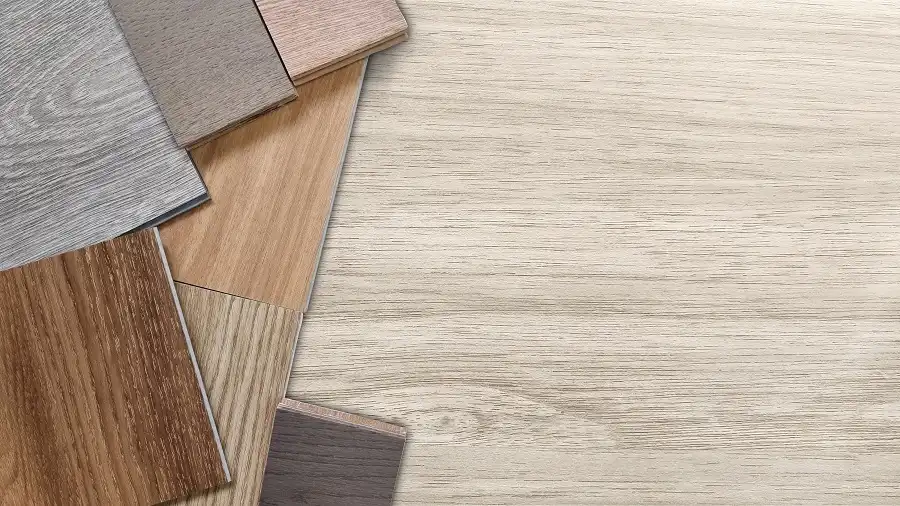
The engineered vs. solid hardwood decision usually isn't about which floor is better in the abstract. It's about which one works with the house you actually have. Three situations come up constantly across Chicago neighborhoods, and each one points toward a different answer.
Older Homes with Original Subfloors
Homes built in Chicago's older neighborhoods and two-flats were often finished with narrow-strip solid oak nailed directly to the original subfloor. If that subfloor is still sound, solid hardwood is usually the straightforward choice. It matches the home's original construction, flexes with minor unevenness in old joists, and can be blind-nailed without adding much height. That last point matters more than it sounds: a thicker floor buildup can bury baseboards or crowd a door swing in a house where those clearances were set a century ago. If your subfloor has settled, our guide to fixing an uneven subfloor covers what that work involves before any new flooring goes down. A squeaky subfloor is worth fixing at the same time rather than covering it up. Solid hardwood installation is a project we see often in these neighborhoods.
Condos and Concrete-Slab Buildings
High-rise and mid-rise condos built on poured concrete present a different problem: you can't nail solid hardwood into a structural slab. Engineered hardwood solves that, since it can be glued directly to concrete or floated over an underlayment instead. Many condo associations also have their own rules about sound transmission between units, so it's worth checking your building's flooring requirements before ordering material. A glued-down or floated engineered floor over the right underlayment is usually what satisfies those rules. Our engineered hardwood installation team works through building requirements like these as part of the estimate.
Basements and Below-Grade Rooms
Basement moisture is a common problem in this region. Solid hardwood installed below grade is especially vulnerable, since ground moisture works upward into the wood from underneath. Engineered hardwood, paired with the right vapor barrier, holds up far better in these spaces. If a basement has already seen water intrusion, our water mitigation team addresses the source of the moisture before any new floor goes in, so the new material isn't fighting the same problem that damaged the last one.
Wood Species That Hold Up in a Chicago Climate
Both solid and engineered planks come in the same range of wood species, and species affects durability and price as much as construction does. A few of the most common options for Chicago homes:
- Red oak: the most widely installed species in older Chicago homes, moderately priced, and known for handling seasonal humidity changes better than softer or more exotic woods.
- White oak: a similar grain to red oak but slightly harder and more expensive, with a straighter, more uniform look.
- Maple: harder than oak with a smoother, more uniform grain, often chosen for contemporary interiors.
- Hickory: one of the hardest domestic species, with heavy grain variation that hides dents and scuffs well.
- Brazilian cherry: very hard, with a deep reddish-brown color, and usually sold prefinished.
- Acacia: durable and prefinished, with a more varied grain pattern than oak or maple.
- American walnut: softer than oak or maple, better suited to lower-traffic, more formal rooms.
- Ash: a light color with pronounced grain, often used in more contemporary spaces.
Species matters more in a Chicago climate than it might elsewhere, since some woods handle humidity swings better than others. Red oak remains the default choice in Chicago's older homes partly for this reason: it has a long track record in this climate and on these subfloors. If you're deciding between a prefinished or unfinished plank in any of these species, our prefinished vs. unfinished hardwood guide breaks down how that choice affects installation and cost.
#cta_start
See These Species in Your Own Light
Photos online rarely show true grain or color. See real samples in your own room before committing to a species or finish.
Schedule Your Free Consultation
#cta_end
Durability, Refinishing, and Lifespan
Solid hardwood's biggest long-term advantage is how many times it can be refinished. Because the plank is solid wood all the way through, it can be sanded and refinished up to 10 times over its life, which is a big part of why a well-maintained solid floor can last 50 to 100 years or longer. Engineered hardwood's refinishing is limited by the thickness of its top veneer layer. Most can be refinished once or twice, with premium lines carrying a thicker wear layer good for three or four sandings.
That difference also answers a common question: is it cheaper to refinish hardwood floors or replace them? In almost every case, refinishing existing solid hardwood costs less than tearing it out and installing something new, as long as the boards are thick enough to still have usable wood above the tongue. Our hardwood floor refinishing team can tell you quickly whether your existing floor has enough wood left to sand. Our guide to how long hardwood flooring lasts covers what shortens or extends that window in either material.
Cost: What You're Actually Paying For
The price per square foot you see online almost never matches what a finished project costs, because material is only one line item. Solid hardwood material typically runs $8 to $15 per square foot, with installation adding another $3 to $8 per square foot. Engineered hardwood material usually runs $4 to $12 per square foot, with installation cost depending on whether it's floated, glued, or nailed down. On top of material and labor, most projects also need $1 to $3 per square foot for subfloor prep or a moisture barrier, plus $1 to $2 per square foot if old flooring needs to come out first. Chicago installation rates also tend to run above the national average, largely due to local labor costs and the extra prep that many older homes and concrete-slab buildings require.
Where to Go from Here
Engineered vs. solid hardwood doesn't have a single right answer. It has a right answer for your house. A century-old two-flat with its original subfloor, a concrete-slab condo downtown, and a finished basement in the suburbs each point toward a different material, and getting that match right upfront saves you from a floor that fights your home's conditions for the next twenty years.
Simple Flooring Company has installed and refinished both materials across Chicago for years, and a quick look at your subfloor and room conditions is usually enough to tell you which direction makes sense. Visit our site to see the full range of hardwood and engineered hardwood options we carry, or go ahead and request your free estimate to get the details on your project in front of us directly.


