.svg)
.svg)


.webp)



.svg)
Today's flooring market offers more economical, high-performance options than ever before. Simple Flooring has guided countless Chicago-area families through flooring decisions for over 50 years. As experienced Chicago flooring contractors, we examine the most cost-effective flooring solutions available, complete with real pricing data, installation considerations, and performance expectations for Illinois conditions.
Sheet Vinyl: The Budget Champion
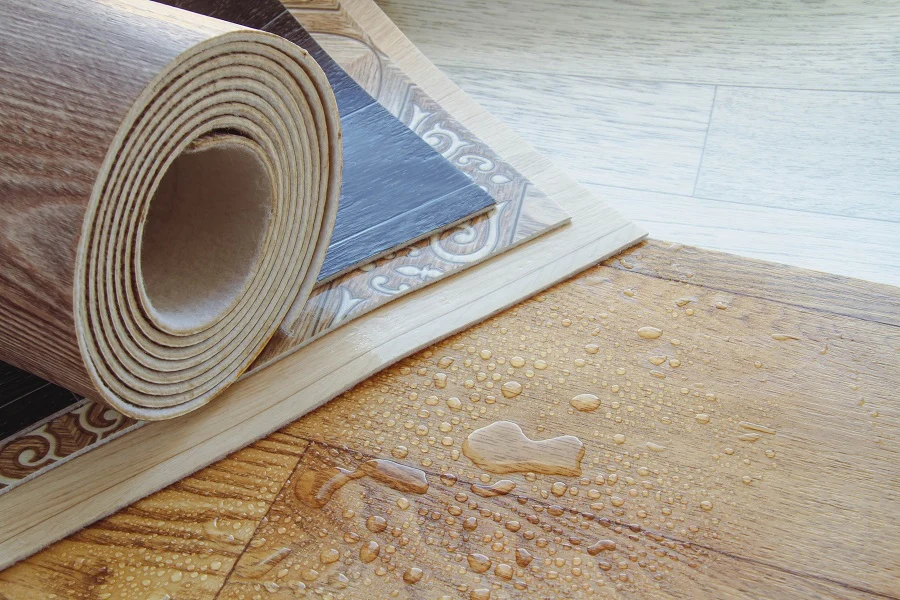
Sheet vinyl remains one of the most economical flooring choices available, combining waterproof performance with minimal upfront investment. Made primarily from PVC (polyvinyl chloride), this material comes in large rolls that cover entire rooms with few seams.
Material Costs and Installation
According to recent market data, sheet vinyl costs between $1-4 per square foot for materials, with professional installation adding $2-3 per square foot. For a typical 200-square-foot kitchen, total costs range from $600-1,400 installed.
The seamless nature of sheet vinyl makes it particularly waterproof — a major advantage for kitchens, bathrooms, and mudrooms where moisture exposure is constant. Modern manufacturing techniques now produce high-definition prints that convincingly replicate wood, stone, and tile appearances without the associated costs.
Performance Expectations
Sheet vinyl delivers 15-25 years of service life when properly maintained. Daily sweeping and weekly damp mopping constitute the entire maintenance routine. However, installation presents challenges: maneuvering large sheets and achieving precise cuts requires professional skills, making DIY installation risky for most homeowners.
The material resists water damage, handles dropped objects without cracking, and hides minor scratches better than many alternatives. For Chicago families dealing with winter salt tracked inside, sheet vinyl's chemical resistance proves particularly valuable near entry doors.
Luxury Vinyl Plank: Premium Looks Without Premium Prices

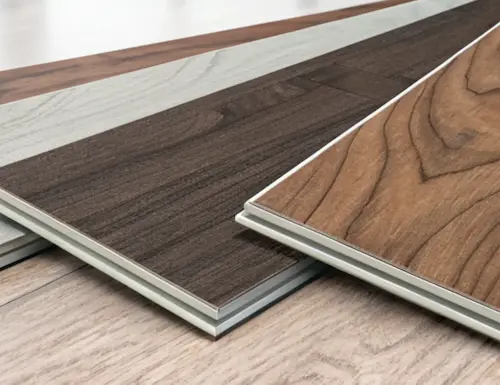
Luxury vinyl plank (LVP) has revolutionized budget flooring by delivering authentic wood appearances at fractions of hardwood costs. This category includes both waterproof WPC (Wood Plastic Composite) and rigid SPC (Stone Plastic Composite) cores that resist moisture, scratches, and temperature fluctuations.
Cost Breakdown
Luxury vinyl planks cost $2-7 per square foot for materials, with installation adding $2-5 per square foot. A 500-square-foot living room typically runs $2,000-6,000 installed — significantly less than the $4,000-10,000 required for comparable hardwood.
The click-lock installation systems in modern LVP products create floating floors that expand and contract with temperature changes without buckling. This makes vinyl particularly suitable for Chicago basements where concrete subfloors and potential moisture issues would damage wood alternatives.
Long-Term Value
Quality LVP delivers 20-30 years of reliable service. The wear layer thickness — measured in mils — determines scratch resistance, with 12-20 mil layers handling heavy traffic and large dogs without showing premature wear. Unlike laminate, vinyl's completely waterproof construction means pet accidents, spills, and even minor flooding won't cause permanent damage.
High-definition printing technology now produces grain patterns, knots, and color variations that closely match natural wood. While pattern repetition occurs every 15-20 planks in premium products, careful installation planning minimizes visual repetition throughout rooms.
#cta_start
Looking for Maximum Value on Minimum Budget?
Simple Flooring analyzes your space, traffic patterns, and moisture exposure to recommend flooring that delivers performance far beyond its modest price tag — real solutions, not temporary fixes.
#cta_end
Laminate Flooring: Affordable Wood Alternative
Laminate flooring uses photographic imagery and protective wear layers over high-density fiberboard cores to simulate wood or stone appearances. Material costs range from $1-4 per square foot, with professional installation adding $3-8 per square foot.
Installation and Maintenance
The click-lock floating floor systems make laminate particularly DIY-friendly for handy homeowners, though professional installation ensures proper moisture barriers and expansion gaps — critical for warranty compliance. Most installers complete 500-square-foot projects in 1-2 days.
Laminate requires simple maintenance: regular dust mopping to remove abrasive particles and occasional damp mopping with manufacturer-approved cleaners. However, avoid excessive water — moisture penetrating seams causes irreversible swelling in traditional HDF cores. Water-resistant laminate varieties now incorporate wax-treated cores that handle humidity better but still shouldn't face standing water.
Performance Limitations
The AC (Abrasion Criteria) rating indicates durability:
- AC3: Light residential traffic (bedrooms, home offices)
- AC4: Moderate residential use (living rooms, hallways)
- AC5: Commercial-grade durability (high-traffic areas)
Expect 10-15 years of service from quality laminate. Unlike hardwood or engineered wood, laminate cannot be refinished — wear through the protective layer or damage to edges requires complete plank replacement. For this reason, laminate works best in low-moisture areas like bedrooms, living rooms, and upstairs hallways rather than basements, bathrooms, or kitchens.
Carpet: Soft Comfort on a Budget
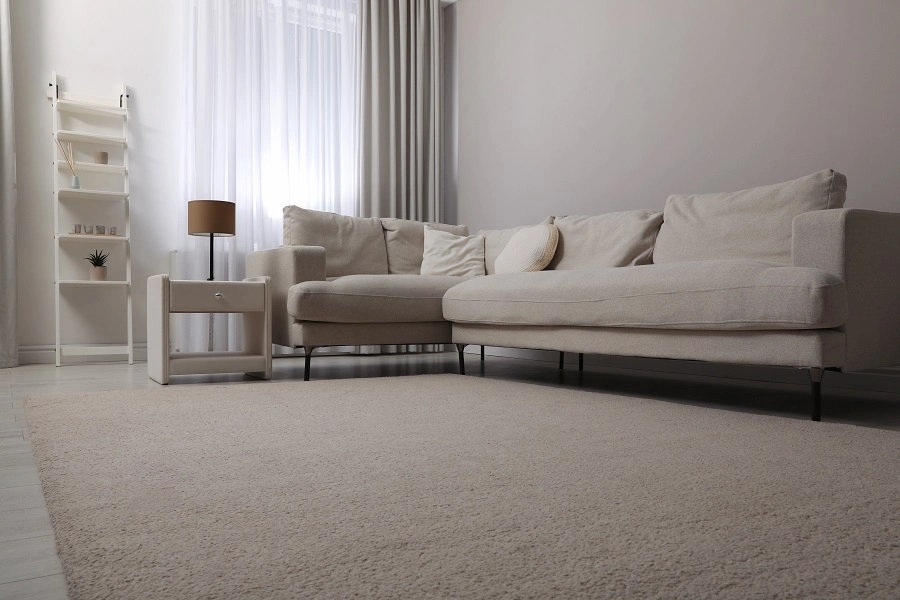
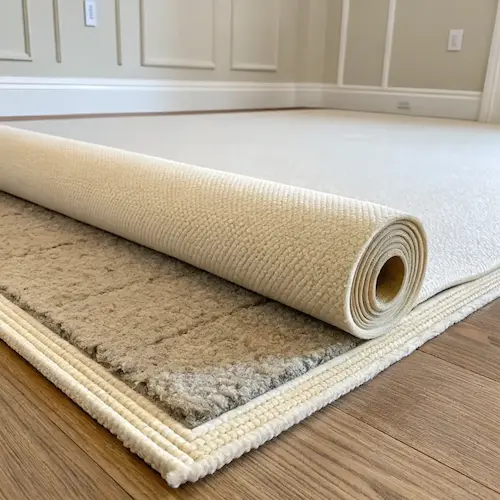
Carpet remains a budget-friendly favorite for bedrooms and living areas, offering costs around $2.50 per square foot on average for materials. Professional installation adds $1-3 per square foot depending on carpet type, padding quality, and room complexity.
Types and Applications
Three main pile types serve different needs:
- Cut pile: Plush, comfortable texture ideal for bedrooms.
- Loop pile: Durable, stain-resistant construction for high-traffic areas.
- Cut and loop combination: Textured patterns that hide dirt and wear.
Carpet excels in bedrooms where soft underfoot comfort matters most. The sound-dampening qualities benefit multi-story Chicago homes, reducing noise transmission between floors. However, moisture-prone areas like basements, bathrooms, and kitchens should avoid carpet due to mold and mildew risks.
Maintenance Considerations
Regular vacuuming (twice weekly for high-traffic areas) extends carpet life to 7-10 years. Professional deep cleaning every 12-18 months removes embedded dirt and allergens. For families with pets, stain-resistant treatments and darker colors hide wear better than light shades.
The main limitation: carpet shows wear patterns in high-traffic areas and requires eventual replacement. Unlike hard surfaces that last decades, budget carpet typically needs replacement within 10 years even with excellent maintenance.
Ceramic Tile: Durable and Water-Resistant
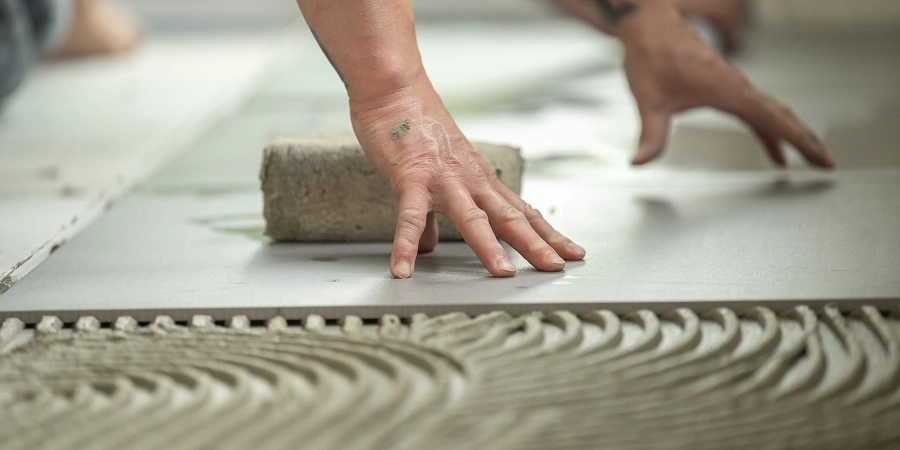
Ceramic tile, at $1 per square foot, is the cheapest option on our list for materials, though installation complexity increases labor costs significantly. Total installed costs typically run $5-15 per square foot depending on tile size, pattern complexity, and room configuration.
Installation Requirements
Tile installation demands professional skills: proper subfloor preparation, thinset application, precise spacing, and grout application require experience for lasting results. DIY tile projects often result in cracked tiles, uneven surfaces, or water penetration issues that cost more to repair than professional installation would have cost initially.
Performance Advantages
Ceramic tile delivers exceptional waterproof performance for bathrooms, kitchens, and entryways. The material handles temperature extremes, resists scratches, and maintains appearance for 20-30+ years. Chicago winters particularly benefit from tile's imperviousness to salt, sand, and moisture tracked inside.
The main drawbacks: tile feels cold underfoot during winter months and shows no cushioning if items drop. The hard surface can be uncomfortable for extended standing in kitchens. However, these limitations make tile ideal for bathrooms and entryways while less suitable for bedrooms or living areas.
Polished Concrete: Modern Industrial Aesthetic

Polished concrete has gained popularity as a budget-friendly option for those embracing modern or industrial design aesthetics. The National Ready Mixed Concrete Association confirms concrete's durability extends 75-100+ years with proper maintenance.
Cost Analysis
Basic concrete finishing costs $3-7 per square foot, making it competitive with many traditional flooring materials. Mid-range designs with staining and moderate polish run $8-12 per square foot, while high-end customization reaches $13-20+ per square foot.
These costs assume existing concrete slabs in good condition. New concrete pouring adds $4-8 per square foot. Extensive repairs or removal of old coatings increases preparation costs significantly.
Maintenance and Longevity
Sealed and polished concrete requires minimal maintenance: regular dust mopping and occasional damp mopping maintain appearance. Re-sealing every 3-5 years protects the surface and extends longevity. The U.S. Department of Energy recognizes concrete's thermal mass properties help regulate indoor temperatures, potentially reducing heating and cooling costs.
Concrete works exceptionally well in basements, garages, and modern open-concept spaces. Chicago homeowners particularly appreciate concrete's moisture imperviousness in below-grade spaces prone to dampness. However, the cold, hard surface feels uncomfortable for bedrooms or areas requiring extended standing.
Engineered Hardwood: Real Wood at Lower Costs
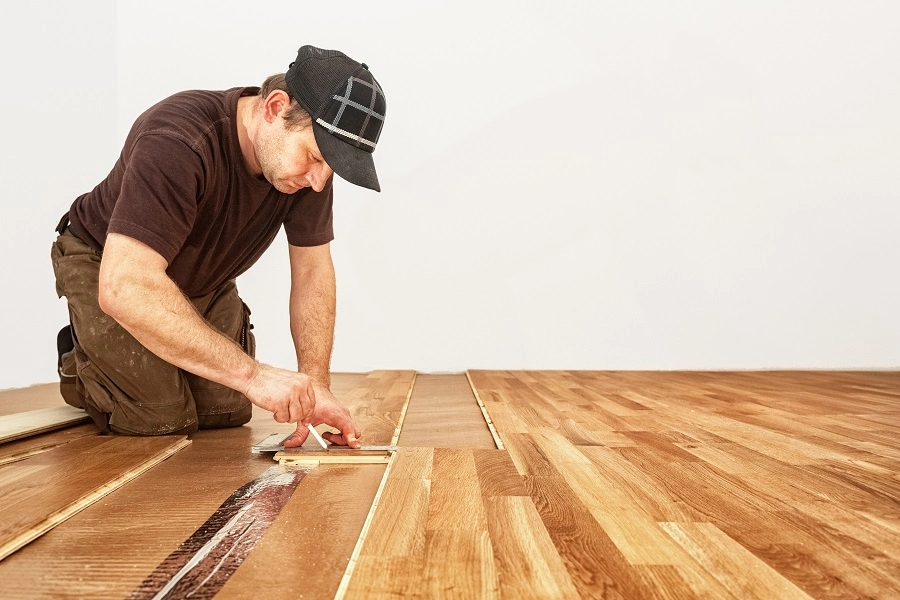
Engineered hardwood bridges the gap between solid hardwood's natural beauty and vinyl's affordability. This construction features thin hardwood veneer bonded to plywood layers, creating dimensional stability that handles Chicago's humidity fluctuations better than solid wood.
Pricing Structure
Engineered hardwood costs $4-8 per square foot for materials with installation adding $3-4 per square foot. A 500-square-foot space runs $3,500-6,000 installed — notably less than solid hardwood's $4,000-10,000 range.
The genuine wood veneer delivers authentic grain patterns, natural color variations, and warm tactile qualities that vinyl reproductions can't match. Quality products feature 2-6mm thick hardwood layers supporting 1-2 refinishing cycles before reaching the plywood core, extending useful life to 25-50 years.
Performance Benefits
The cross-grain plywood core reduces seasonal movement by 50-70% compared to solid hardwood. This makes engineered products suitable for basement installations over concrete subfloors — applications where solid hardwood would fail. Click-lock floating floor systems allow DIY-friendly installation without nail guns or glue.
However, thinner veneer products (under 2mm) can't be refinished, limiting their lifespan compared to solid hardwood's 75-100 years. For homeowners wanting authentic wood character without solid hardwood's price or maintenance demands, engineered products offer an excellent middle ground.
Cork Flooring: Eco-Friendly Comfort
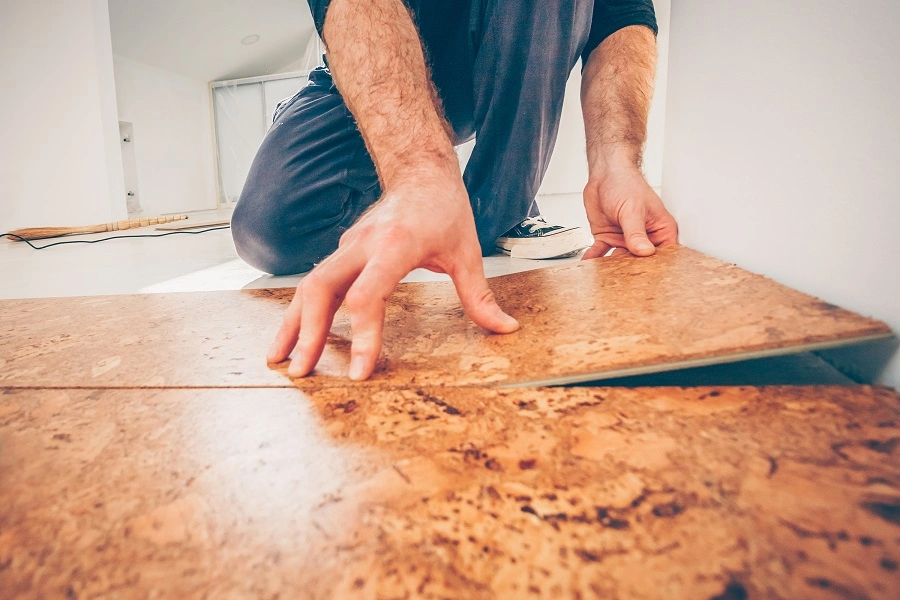
Cork flooring presents an environmentally sustainable option harvested from cork oak bark that regenerates without harming trees. This renewable material costs $3-8 per square foot for materials, with installation adding $2-4 per square foot.
Unique Properties
Cork's cellular structure creates natural cushioning that feels soft underfoot — particularly appreciated in kitchens where extended standing occurs. The material provides excellent sound absorption, making it valuable in multi-story homes. Natural antimicrobial properties resist mold and mildew better than many alternatives.
However, cork requires sealing to protect against moisture and wear. Direct sunlight fades cork over time, limiting its use in rooms with significant sun exposure. Expect 10-25 years of service depending on traffic levels and maintenance quality.
Best Applications
Cork works well in bedrooms, home offices, and kitchens where comfort matters but extreme moisture exposure doesn't occur. Avoid cork in bathrooms, basements, or rooms with large windows facing south or west where UV exposure accelerates fading.
Bamboo Flooring: Sustainable Wood Alternative
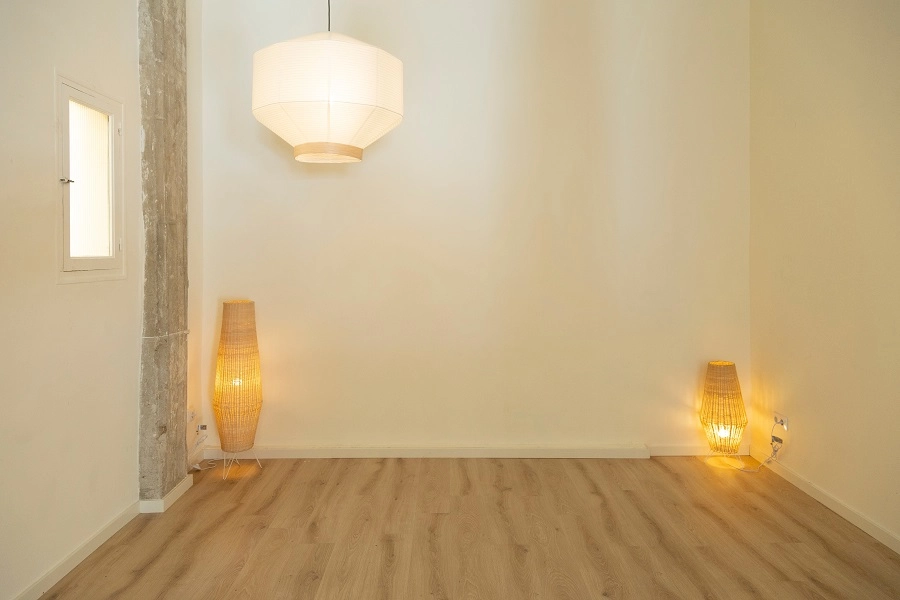
Bamboo flooring offers a sustainable alternative to traditional hardwood, with grass-based materials that mature in 3-5 years versus hardwood's decades-long growth cycles. Material costs run $2-8 per square foot depending on quality, with installation adding $3-5 per square foot.
Types and Durability
Horizontal and vertical bamboo provide softer options with distinct linear grain patterns. Strand-woven bamboo uses compressed fibers creating significantly harder surfaces — often exceeding red oak's 1,290 Janka hardness rating. This strand-woven construction handles high-traffic areas and active families better than softer bamboo varieties.
Modern manufacturing produces bamboo that mimics traditional hardwood appearances while maintaining eco-friendly credentials. However, quality varies dramatically between manufacturers. Lower-grade products may gap, warp, or show premature wear.
Climate Considerations
Bamboo responds to humidity similarly to hardwood — expanding in summer, contracting in winter. Chicago's humidity swings require proper acclimation (7-10 days) before installation and maintaining indoor humidity between 30-60% year-round. Installation over concrete requires moisture barriers to prevent warping.
Making the Right Choice for Your Chicago Home
Selecting budget flooring requires balancing immediate costs against long-term value. A $1 per square foot material requiring replacement in 10 years ultimately costs more than a $5 per square foot option lasting 30 years.
Consider these factors:
- Moisture exposure: Bathrooms, basements, and kitchens demand waterproof materials like vinyl, tile, or sealed concrete. Laminate and carpet fail in these environments.
- Traffic levels: High-traffic areas benefit from commercial-grade vinyl, tile, or AC5-rated laminate. Bedrooms tolerate softer materials like carpet or cork.
- Installation complexity: DIY-friendly click-lock vinyl or laminate saves labor costs for handy homeowners. Complex tile patterns or hardwood installations require professional expertise.
- Maintenance commitment: Busy families appreciate vinyl's simple cleaning versus hardwood's refinishing requirements. Consider long-term time investment alongside upfront costs.
- Temperature control: Chicago basements benefit from insulated underlayments under floating floors. Concrete's thermal mass helps regulate temperature in finished basements.
Strategic Material Zoning
Many Chicago homeowners maximize value by installing different materials in different areas. Luxury vinyl handles basement recreation rooms and bathrooms. Engineered hardwood elevates main floor living spaces. Carpet adds comfort to upstairs bedrooms. This zoned approach matches materials to conditions while controlling costs.
Simple Flooring Delivers Budget Solutions That Perform
Simple Flooring helps Chicago-area homeowners make financially sound flooring decisions backed by over 50 years of installation experience. We understand how Illinois' climate affects every material and guide you toward solutions that deliver lasting performance at prices that fit your budget. Contact us today for expert recommendations tailored to your specific home, lifestyle, and financial goals.