.svg)
.svg)


.webp)


.svg)
Choosing between hardwood, laminate, and vinyl flooring determines whether your investment lasts decades or requires premature replacement. Chicago homeowners face unique challenges: temperature swings exceeding 115°F annually, humidity fluctuations from 20% to 80%, and salt-laden winters that test every material's limits. As experienced flooring contractors, Simple Flooring helps Illinois families make informed decisions based on real performance data, not marketing promises.
What Sets These Three Flooring Types Apart
Material composition drives performance differences between hardwood, laminate, and vinyl. Each type uses distinct construction methods that directly impact moisture tolerance, temperature response, and maintenance requirements.
Construction Differences
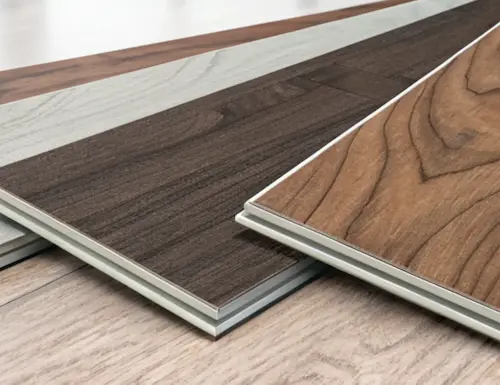
Solid hardwood consists of 100% natural wood planks milled from single trees, typically 3/4 inch thick. Engineered hardwood features thin hardwood veneer bonded to plywood layers, creating superior dimensional stability. Laminate flooring uses high-density fiberboard cores topped with photographic wood images protected by clear wear layers. Luxury vinyl employs waterproof PVC or composite cores with realistic wood or stone imagery.
How Structure Affects Performance
These structural differences directly impact daily performance:
- Solid hardwood absorbs moisture, expanding up to 1/4 inch during humid summers and contracting during dry winters.
- Engineered construction reduces seasonal movement by 50-70% through cross-grain layering.
- Laminate's fiberboard core swells when water penetrates seams, though waterproof varieties now incorporate wax-impregnated cores.
- Vinyl remains completely impervious to water, maintaining dimensional stability regardless of humidity levels.
Authentic Wood Beauty vs. Realistic Reproductions
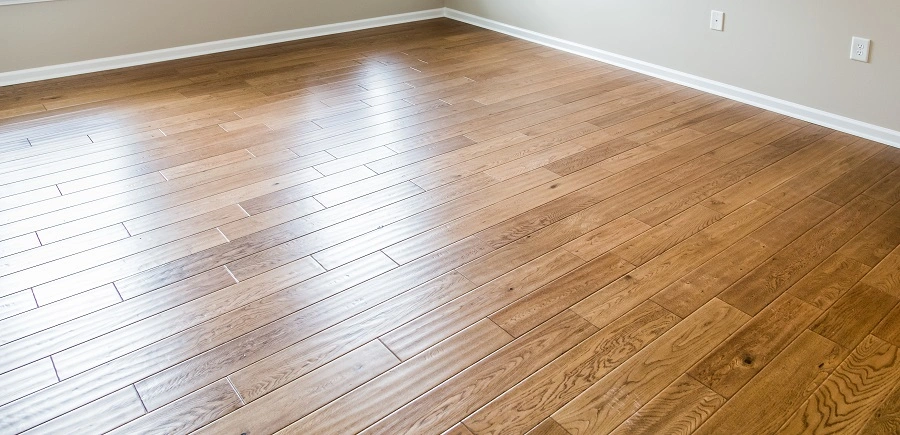
Hardwood flooring delivers unmatchable natural beauty with unique grain patterns, color variations, and tactile warmth. Each plank displays an individual character — no two boards appear identical.
Natural Hardwood Characteristics
Red oak, white oak, maple, and hickory species offer distinct appearances, with hardness ratings from 1,290 to 1,820 on the Janka scale. The National Wood Flooring Association confirms solid hardwood can be refinished 3-7 times over its 75-100 year lifespan, allowing style updates without replacement.
Modern Reproduction Quality
Modern laminate and vinyl technologies produce remarkably realistic wood appearances. High-definition printing captures authentic grain details, knots, and color variations. Embossed textures match visual patterns, creating convincing tactile experiences. However, pattern repetition occurs — typically every 8-12 planks in laminate, every 15-20 in premium vinyl. Close inspection reveals photographic reproduction rather than natural wood variation.
Engineered hardwood bridges this gap, offering genuine wood veneer appearance with enhanced stability. Quality products feature 2-6mm thick hardwood layers supporting 1-2 refinishing cycles before reaching the plywood core.
Cost Analysis: Installation Through Lifetime Ownership
Initial material costs vary significantly, but total ownership costs reveal different value propositions over decades of use.
Initial Investment Breakdown
Material and installation costs per square foot:
- Solid hardwood: $5-12 materials + $3-8 installation.
- Engineered hardwood: $3-10 materials + $3-6 installation.
- Laminate: $1-5 materials + $2-4 installation.
- Luxury vinyl: $2-7 materials + $2-5 installation.
75-Year Ownership Cost Reality
Life Cycle Cost Analysis following ASTM E917 standards shows hardwood's refinishing capability reduces long-term costs despite higher initial investment. A typical 500-square-foot installation might require 2-3 refinishing cycles at $2,000-3,000 each over 75 years. Laminate requires complete replacement every 15-25 years at full reinstallation costs. Vinyl lasts 20-30 years before needing replacement.
Total costs include initial installation plus refinishing or replacement cycles over 75 years.
#cta_start
Not Sure Which Flooring Fits Your Budget?
Simple Flooring provides transparent pricing and helps you understand total ownership costs, not just sticker prices. Our experts break down installation, maintenance, and long-term expenses so you make financially sound decisions.
#cta_end
Chicago Climate Performance: Moisture and Temperature Response
Illinois' extreme climate separates reliable flooring from problematic materials. According to the National Weather Service, Chicago experiences temperature ranges from -20°F to 95°F, with indoor humidity swinging from 20% winter lows to 80% summer peaks.
Solid Hardwood Climate Challenges
Solid hardwood shows the most dramatic seasonal movement. The Wood Database documents red oak's 8.6% radial shrinkage coefficient, meaning planks expand and contract measurably with humidity changes.
Winter heating drops indoor moisture levels, causing gaps up to 1/4 inch between boards. Summer humidity reverses this, potentially causing cupping or buckling if moisture levels exceed 12-14%. Professional installation requires 30-50% relative humidity and precise expansion gaps at all fixed objects.
Engineered Hardwood Stability Advantage
Engineered hardwood's cross-grain construction significantly reduces movement. The plywood core's opposing grain directions create stability, with total dimensional change reduced 50-70% compared to solid wood. Quality engineered products maintain performance when indoor humidity stays within 30-60% ranges, wider tolerance than solid hardwood's 35-55% requirement.
Laminate Moisture Tolerance
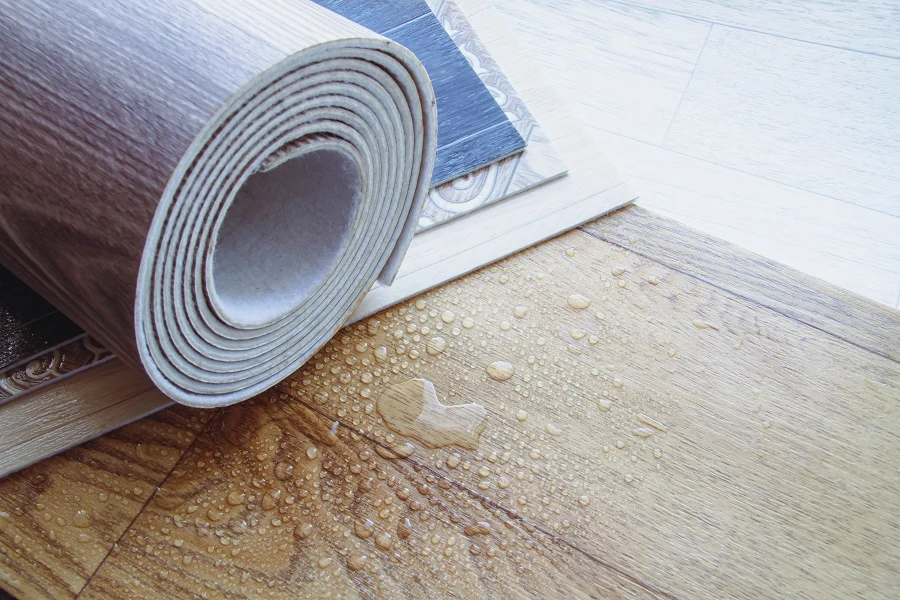
Laminate flooring performs well if moisture stays away from seams. Traditional HDF cores swell irreversibly when water penetrates joints. However, water-resistant laminates incorporate wax-treated cores and sealed locking systems, handling humidity up to 85% without damage.
Vinyl's Superior Moisture Immunity
Vinyl flooring demonstrates superior moisture immunity. Stone Plastic Composite (SPC) and Wood Plastic Composite (WPC) cores contain zero organic materials, eliminating swelling or rot potential. Quality vinyl maintains dimensional stability across -20°F to 120°F temperature ranges and 0-100% humidity conditions. This makes vinyl ideal for Chicago basements, bathrooms, and areas near exterior doors where moisture exposure exceeds other materials' tolerances.
Maintenance Requirements and Cleaning Protocols
Daily maintenance demands vary substantially between materials, affecting both time investment and long-term costs.
Hardwood Care Demands
Hardwood requires immediate spill cleanup to prevent water stains and finish damage. Regular dust mopping removes abrasive particles that scratch polyurethane finishes:
- Daily: Dust mop or vacuum with soft brush attachment.
- Weekly: Damp mop with hardwood-specific cleaner.
- Annually: Professional deep cleaning ($200-300).
- Every 10-15 years: Refinishing ($3-5 per square foot).
The finish protects wood but requires reapplication when foot traffic wears through the coating.
Laminate Maintenance Simplicity
Laminate cleaning follows simpler protocols. Damp mopping with manufacturer-approved cleaners maintains appearance without causing swelling. Avoid excessive water, steam mops, or wax products that damage photographic layers. Annual maintenance costs remain minimal at $50-100 for specialized cleaning products. However, scratches and worn areas cannot be repaired — only complete plank replacement addresses damage.
Vinyl's Minimal Upkeep
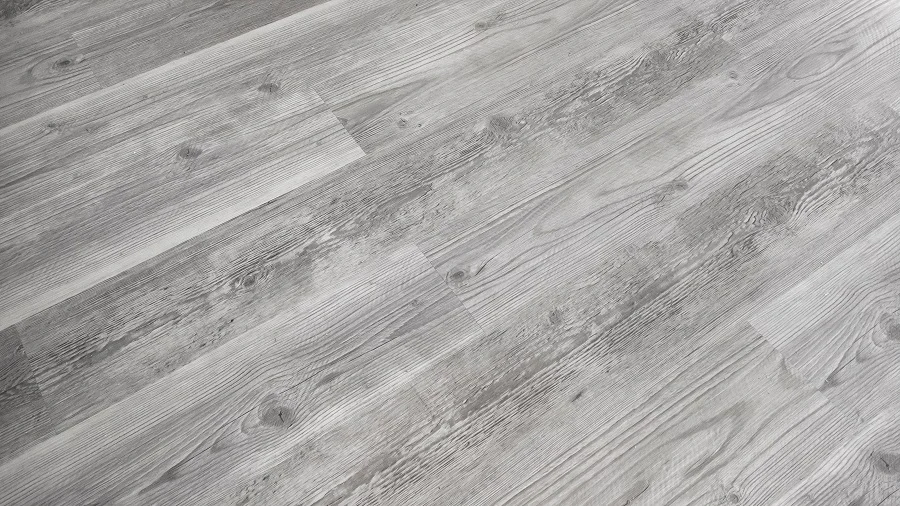
Vinyl demands the least maintenance effort. Waterproof construction allows wet mopping without concerns:
- Daily: Sweep or vacuum.
- Weekly: Wet mop with any pH-neutral cleaner.
- Twice yearly: Professional deep cleaning ($150-250).
- Never: Refinishing needed.
Most quality vinyl planks resist scratches better than laminate, with 12-20 mil wear layers protecting against pet nails and furniture scuffs.
Chicago Winter Salt Considerations
Chicago-specific maintenance considerations include salt damage mitigation. Commercial-grade entry mats capturing 80% of incoming debris protect all flooring types. However, calcium chloride road salt particularly damages hardwood finishes and can etch laminate surfaces. Vinyl's chemical resistance makes it most forgiving for high-traffic entries during the winter months.
Installation Complexity and DIY Feasibility
Professional installation ensures warranty compliance and optimal performance, but installation complexity varies by material.
Solid Hardwood Professional Requirements
Solid hardwood installation requires specialized skills — nail-down methods demand precise spacing, proper acclimation (5-7 days minimum), and moisture testing. The National Wood Flooring Association certifies installers who understand subfloor preparation, expansion gap calculation, and finishing techniques. Chicago's older homes often require subfloor leveling, adding $1-3 per square foot to project costs.
Engineered Hardwood Flexibility
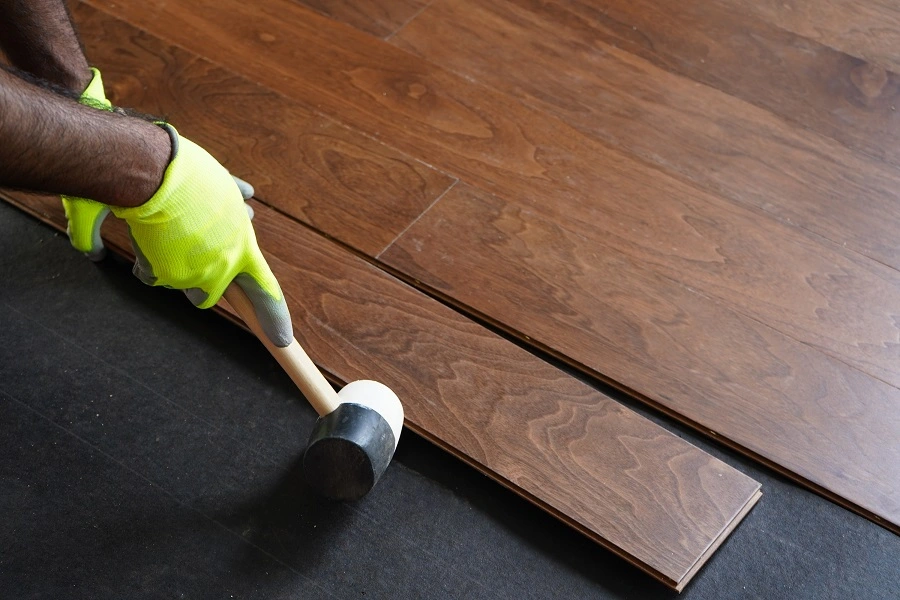
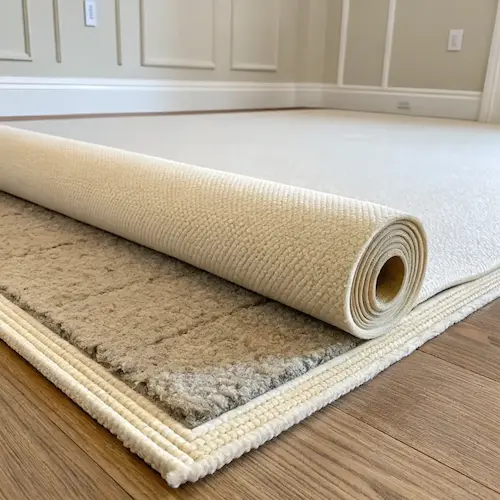
Engineered hardwood offers more flexible installation. Floating floor systems using click-lock mechanisms allow easier installation than nail-down hardwood. However, proper underlayment selection and moisture barrier installation remain critical, particularly over concrete subfloors. Professional installers complete 500-square-foot projects in 1-2 days versus 3-4 days for solid hardwood.
Laminate DIY-Friendly Installation
Laminate flooring presents the most DIY-friendly option. Click-lock systems require no adhesives or special tools, with completion possible in a single weekend for motivated homeowners. However, mistakes in underlayment selection or expansion gap calculation void manufacturer warranties. Professional installation guarantees proper moisture barriers — essential over Chicago's moisture-prone concrete slabs — at reasonable $2-4 per square foot labor costs.
Vinyl Installation Variables
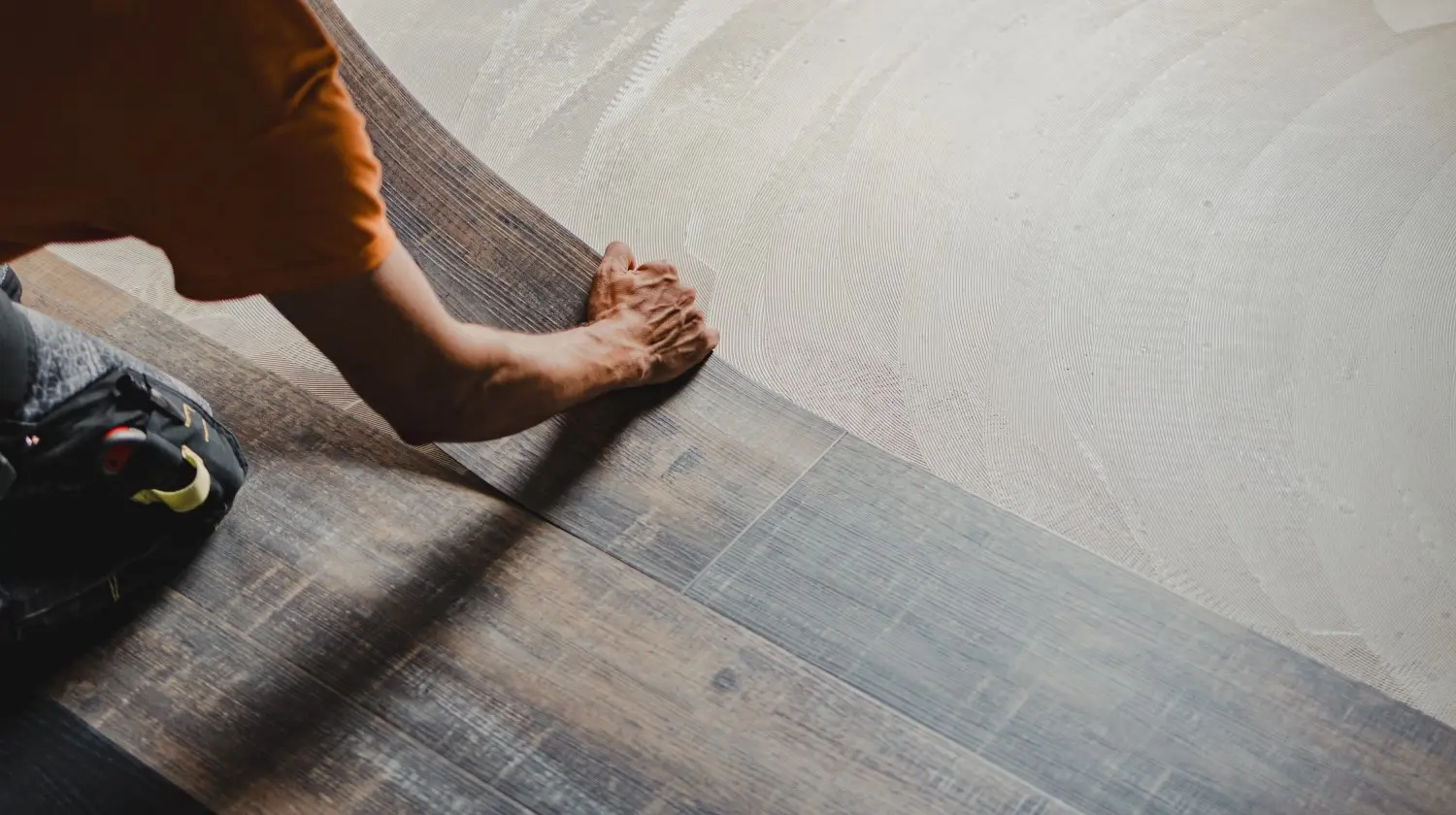
Vinyl installation methods vary by product type. Rigid core planks use click-lock systems similar to laminate, supporting DIY installation. However, professional installers ensure vapor barriers, transition moldings, and proper acclimation for warranty compliance. Glue-down vinyl demands professional application for optimal adhesion and seam appearance.
Pet and Family Durability Considerations

Chicago families with children and pets prioritize scratch resistance and easy cleanup. Each material performs differently under daily wear.
Hardwood Scratch Susceptibility
The Janka hardness scale rates wood species' dent resistance — red oak at 1,290, hickory at 1,820. However, even hardwoods show scratches from pet nails and furniture moves. Polyurethane finishes provide some protection, but heavy traffic areas require refinishing every 7-10 years versus 10-15 years for low-traffic spaces.
Laminate Wear Layer Protection
Laminate's wear layer determines scratch resistance:
- AC3 rating: Light residential traffic.
- AC4 rating: Moderate residential use.
- AC5 rating: Commercial-grade durability.
Quality laminate resists surface scratches better than softer hardwoods but chips irreparably at edges and corners. Pet accidents require immediate cleanup — though waterproof varieties now handle liquid better than traditional HDF cores.
Vinyl's Pet-Friendly Performance
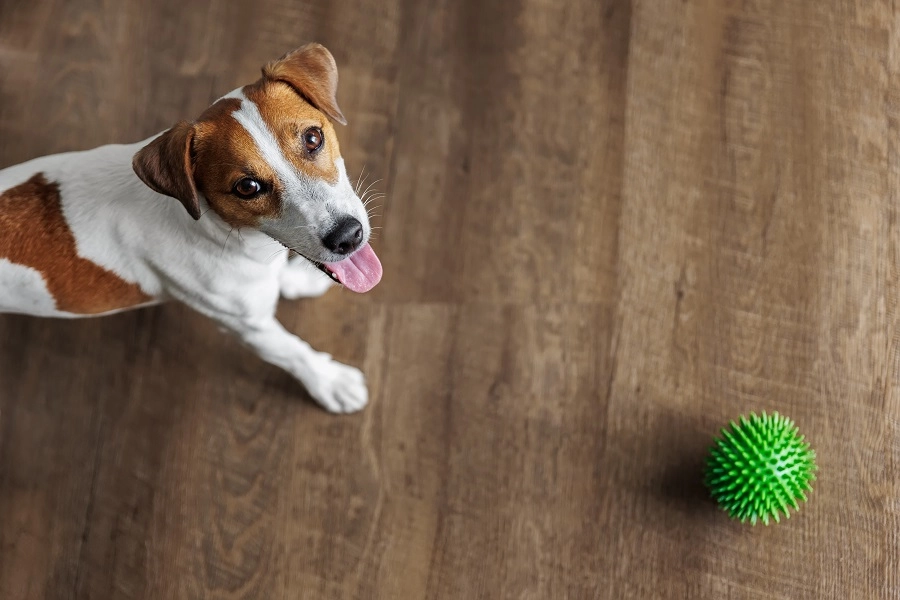
Vinyl flooring excels in pet-friendly homes. Rigid core products resist scratches from large dog nails while maintaining waterproof integrity against accidents. The soft, slightly resilient surface reduces noise from clicking nails — appreciated in multi-story Chicago homes. Textured surfaces hide minor scratches better than glossy finishes, extending pristine appearance despite daily wear.
Strategic Material Zoning
For families balancing aesthetics with practicality, engineered hardwood in living areas paired with vinyl near entries and basements provides optimal solutions. This zoned approach matches materials to traffic patterns and moisture exposure while controlling costs.
Simple Flooring Helps Chicago Homeowners Choose Wisely
Selecting between hardwood, laminate, and vinyl flooring requires balancing aesthetics, durability, maintenance, and budget against your home's specific conditions. Hardwood offers unmatched natural beauty and refinishing capability for climate-controlled living spaces. Laminate provides a budget-friendly wood appearance with improved moisture tolerance. Vinyl delivers superior waterproof performance and the easiest maintenance for high-moisture areas and active households.
Simple Flooring brings over 50 years of Chicago flooring experience to every project, understanding how Illinois' demanding climate affects each material. Contact us today for expert guidance on which flooring material suits your home, lifestyle, and budget.