.svg)
.svg)


.webp)

.svg)
.svg)
.svg)
What is Vinyl Sheet Flooring?
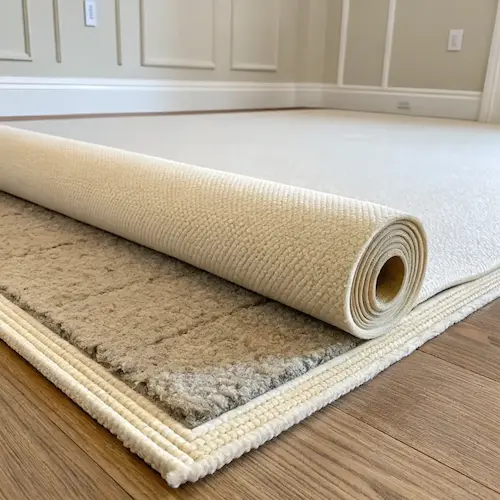
Vinyl sheet flooring is built from layered vinyl: typically a backing layer, a core layer, a printed pattern layer, and a protective wear layer on top. The result is a waterproof floor that works well in kitchens, laundry rooms, and bathrooms, where moisture is a bigger concern than in the rest of the house.
It installs over most flat, level subfloors, including concrete, wood, and existing vinyl. Any dips or bumps in the subfloor can show through once the vinyl is down, so we check and correct the surface before installation starts.
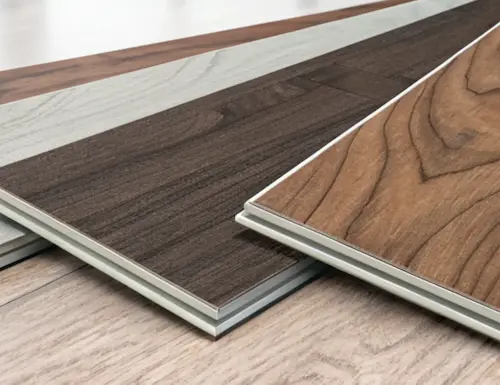
Sheet, Plank, or Tile? How the Vinyl Family Compares.
#cta_start
Let’s Discuss Your Project
Transform your floors with our expert installation services.
#cta_end
Why Chicago Homeowners Choose Simple Flooring for Vinyl Sheet
Full Water Protection
Vinyl sheet installs with fewer seams than plank or tile, which matters most in kitchens, baths, and basements where water finds every gap.
Complimentary Virtual Consultation
We walk through pattern and finish options on a video call first, so you're not deciding cold when the crew arrives.
Expert Seam and Pattern Matching
Seam placement and roll direction get mapped before a single cut is made, so the finished floor reads as one continuous surface.
Free Removal of Your Old Flooring
We pull out the old floor and take it with us. No dumpster rental, no extra coordination, no mess left behind.
How We Install Vinyl Sheet Flooring
#faqs_start
1. Free In-Home Estimate
We visit your space, check subfloor conditions, and walk through pattern and finish options with samples on hand. You leave with a written price before anything is scheduled.
2. Subfloor Preparation
We move furniture, remove existing flooring where needed, and level or repair the subfloor. Any dip or imperfection will show through the finished vinyl, so this step gets done right.
3. Seam and Layout Planning
Room dimensions determine where seams fall and which direction the roll runs. We plan this before cutting so seams land in low-visibility spots.
4. Installation
The vinyl sheet is cut to fit, adhered full-spread across the subfloor, and trimmed at every wall and fixture.
5. Walkthrough and Cleanup
We inspect the finished floor with you, clean the space completely, and cover care instructions and your installation warranty before the crew leaves.
#faqs_end
Advantages and Disadvantages of Vinyl Floors
Advantages:
- Vinyl sheet flooring is waterproof.
- Stands up well to heavy foot traffic.
- It is the most budget friendly option from the vinyl category.
- Comes in a broad range of colors and patterns, including a variety of wood and stone like grains.
- It is easy to maintain.
Disadvantages:
- Vinyl sheet floors do not stand up well to heavy loads and can be damaged by sharp objects.
- Colors can fade with exposure to too much direct sunlight.
- Floors can be damaged by high temperatures.
- Relatively tricky to install since it comes in one big roll.
- Pattern and texture are less realistic than newer luxury vinyl plank or tile options.
How to Care for Your Vinyl Flooring
Vinyl flooring holds up well with minimal upkeep. Follow these manufacturer-recommended steps to keep it looking its best:
- Sweep up spills, crumbs, dust, and dirt into piles.
- Use a vacuum without beater bars or mechanisms which could scuff your floor at least once a week.
- If mopping up a mess, avoid using harsh chemicals. Consult manufacturer recommendations if you’re unsure. A mixture of water and mild soap can work wonders for vinyl.
- Avoid buffing machines, steel wool, scouring powder, and steam mops. Get a professional advice if you’re ever unsure.
.svg)

.webp)
.webp)
.webp)
.webp)

.webp)


.avif)


%20(1)%20(1).webp)
